
Water Damage FAQs in Katy, TX
A wet building raises questions fast, and clear answers are tough to track down. Below are the specific problems Katy owners, renters, and managers bring to us. Every loss is different, so treat these answers as general guidance and call us about your own situation. If water is still flowing, our emergency water damage restoration page is the place to begin.
- Upfront Pricing
- Free Estimates
- Licensed and Insured
First Moves When Water Shows Up
Water is dripping through a ceiling light. What should I do before anyone arrives?
Stay out from under it, and do not touch the fixture. If the water reaches the light, switch off its breaker only if you can reach the panel on dry floor. Put a bucket under the drip, move belongings away, and take photos. Then call us for the water and a roofer or plumber for the source.
I cannot find or turn off my main water shutoff. What are my options?
Look for a shutoff near the water heater, where the line enters the house, or at the meter box near the street. If a fixture shutoff is the source, close the small valve under the sink or behind the toilet. If nothing works, call your water utility or a plumber right away. Tell us too, so we can start planning the cleanup.
The carpet is soaked but the power is still on. Is it safe to stay home?
It depends on how far the water has spread. Do not stand in water that reaches outlets, cords, or appliances. If water touches the electrical panel, leave and call 911 or your utility. When the wet area is limited and the power in that room is off, many people stay in dry parts of the house. We can tell you what we see once we know the layout.
The water looks clear. Do I still need to treat it as contaminated?
Not always. Water from a supply line is usually cleaner than water from a drain, a toilet, or outside. But clean water can pick up dirt, and materials that stay wet can become a problem. When you are unsure where the water came from, call us and describe it.
Drying, Repairs, and What Can Be Saved
How will I know when my house is actually dry?
By readings, not by touch. A material is considered dry when it matches a dry reference sample of the same type. We log readings on each visit and share them with you, because a surface can feel dry while the wood or drywall behind it is still damp.
How long will the drying stage last?
There is no fixed answer. It depends on what got wet, how long it stayed wet, the humidity, and how well air can move through the space. We explain what we expect after we inspect and adjust as readings come in.
Can my wet drywall or hardwood floor be saved instead of replaced?
Sometimes. Clean-water exposure that is caught early gives materials a better chance, while contaminated water or long exposure usually means removal. We test first and tell you which materials can dry in place and which should go.
The wall looks fine but feels cold or damp. Could water still be inside?
Yes. Water can sit behind paint, inside insulation, or under flooring while the surface looks normal. A moisture meter and thermal camera can check without cutting into the wall, and we open only where readings call for it.
The water stopped days ago and I did nothing. Is it too late for help?
No, but acting sooner usually limits damage. Wet materials can grow mold if they stay damp. Call us, tell us how long it has been, and we will inspect before recommending next steps.
Insurance and Claims
Will my homeowners policy pay for water damage?
Coverage turns on your policy language and the cause of the water. Many policies cover sudden events, such as a burst pipe, but treat long-term leaks, maintenance problems, and rising floodwater differently. Check your policy and talk to your agent. We cannot decide coverage, but we can provide records.
Do you work with my insurance adjuster?
Yes. If you want us to, we speak with your adjuster, share photos, moisture readings, and scope notes, and explain what the work involves. The insurer decides what it will pay.
What is the difference between a burst-pipe claim and a flood claim?
Standard homeowners policies often cover sudden water from inside plumbing but may exclude rising water from outside, which is usually handled by a separate flood policy. The rules vary, so confirm with your insurer. Tell us how the water entered so we can document it accurately.
Should I start cleanup before the adjuster visits?
Photograph and record everything first. Stopping the water and protecting your property are things insurers generally expect, but keep damaged materials or samples when you can, and ask your insurer what they need before you discard large items.
Mold and Hidden Moisture
How do I tell whether water damage has led to mold?
Look for a musty smell, dark or fuzzy patches, warped baseboards, or paint that bubbles. Mold can hide inside walls and above ceilings, so you may not see it. If you suspect growth, call us and describe what you have noticed.
What is the difference between water damage restoration and mold remediation?
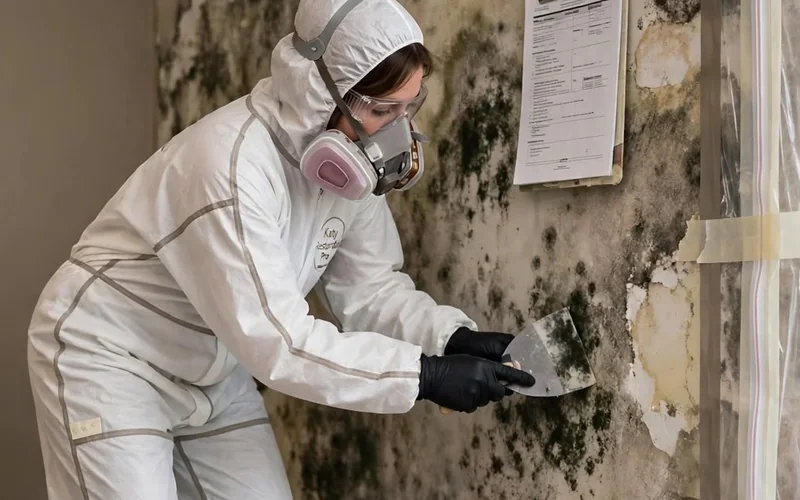
Restoration removes water and dries the building. Remediation deals with mold that has already grown, which includes containment, removal, and cleaning. Fast drying lowers the chance that restoration turns into remediation.
Who is allowed to remove mold in Texas?
Texas regulates mold work through the Texas Department of Licensing and Regulation (TDLR). Larger projects generally require licensed professionals, and the company that assesses a project cannot also be the one that remediates it. Small areas may be exempt, and rules can change, so confirm current requirements with TDLR.
Storms, Floods, and Business Losses
Do you handle storm damage and flooded garages after heavy Gulf Coast rain?
Yes. We remove standing water, take out materials that cannot be saved, and dry the structure. Because floodwater can carry contaminants, we use protective equipment and suitable cleaning methods.
Can your crew schedule around my shop's hours?
We can plan commercial work around opening times, staff schedules, and landlord rules where possible. Tell us the hours you need protected and the areas that must stay in use.
A water heater in my attic closet started leaking. Who do I call first?
Close the cold water valve above the tank if you can reach it safely, then call a plumber for the unit and us for the water. If the tank is gas and you smell gas, leave and call 911 and your gas utility.
Estimates and Getting Started
What does your free estimate include, and does it commit me?
The estimate covers what we found and what we recommend, in writing, before work begins. It does not obligate you. If conditions change behind a wall, we tell you before the scope changes.
How much will my project cost?
We cannot name a price without seeing the property. Cost depends on how much water there is, what it affected, whether it is contaminated, and how much drying and removal is needed. We explain the estimate line by line.
Do I need to call 811 before digging to find a leak?
If you plan to dig on your property, Texas811 locates underground utility lines for free before you start. Call before you dig. Our technicians use meters and cameras first, so digging is rarely the first step.
Need Something Answered Here Instead?
Call us or send a message. See our services or the areas we serve to learn more.