
Sewage Backup Cleanup in Katy, TX
Sewage is not ordinary water. It can carry bacteria, viruses, and other contaminants, and it wicks into carpet, drywall, and subflooring quickly. When a toilet, tub, or floor drain pushes wastewater into a Katy building, the right response is to leave the cleanup to a crew with protective equipment and the training to handle it.
Katy Restoration Pro removes the contaminated water, takes out what cannot be saved, sanitizes what can, and dries the space.
- Upfront Pricing
- Free Estimates
- Licensed and Insured
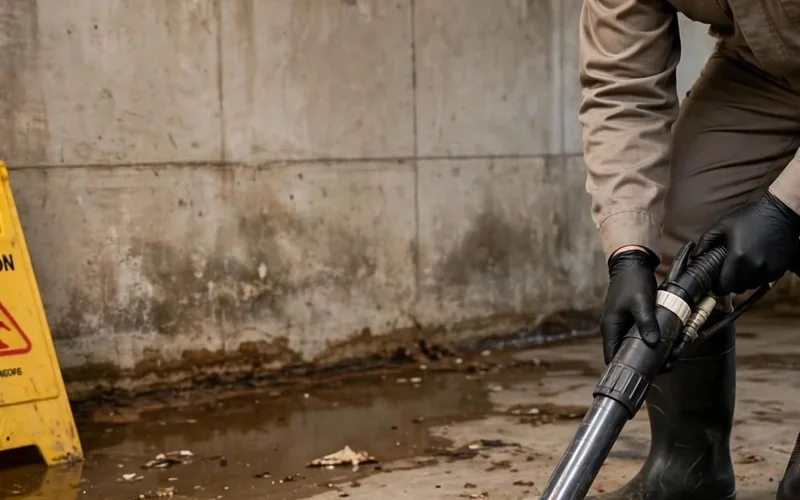
Sewage Cleanup Near Me in Katy, TX
If you are searching for sewage cleanup in Katy, sewage clean up, or raw sewage cleanup, you want help that arrives with the right gear. We offer sewage backup cleanup and sewer backup cleanup for homes, apartments, and businesses across Katy and the surrounding Harris, Fort Bend, and Waller County communities. Our sewage backup cleaning covers the water, the materials, and the air. If you are comparing sewer backup cleanup companies, ask each one how it handles contaminated materials and what protection its crew wears.
Water Damage Restoration and Sewage Backup Cleanup in Katy
Water damage restoration and sewage backup cleanup often go together. A backup leaves wet structure behind, and that structure has to be dried even after the contamination is gone. We handle both in one visit plan, so you do not coordinate two companies.
How to Tell It Is a Backup
- Wastewater rising from a floor drain, a tub, or a toilet
- Several fixtures draining slowly or gurgling at the same time
- A strong sewer smell with no visible source
- Dark, cloudy water pooling in a low spot
- Wet, discolored flooring near a drain or cleanout
What Causes Sewage Backups
Clogged Main Lines
Grease, wipes, roots, or a collapsed line can block flow out of a building.
Heavy Rain and Overloaded Systems
Storm water can overload sewer lines and push wastewater back toward homes.
Failed or Aged Pipes
Cracked or shifted lines let waste leak into the ground or back into the house.
Problems in a Shared Line
In a multi-unit building, a blockage downstream can affect several units.
How We Clean Up a Sewage Loss
Protect the Crew and the Home
We put on gear, isolate the area, and block other rooms from contamination.
Remove the Contaminated Water
Pumps and extractors take out the wastewater, and we dispose of it properly.
Cut Out Soaked Materials
Carpet, padding, drywall, and insulation that soaked up sewage usually cannot be cleaned safely and are removed.
Clean and Disinfect
Hard surfaces and framing are cleaned and disinfected with products matched to the contamination.
Dry and Check
Air movers and dehumidifiers dry the structure, and readings confirm the space is ready for repairs.
Why Choose Our Sewage Cleanup Technicians
Protective Equipment on Every Job
Our crews work in protective gear and follow set safety steps.
Proper Disposal
Contaminated materials and wastewater are handled and removed correctly.
One Plan for Cleanup and Drying
You do not need separate contractors for contamination and moisture.
What to Do Until We Arrive
- Keep kids, pets, and visitors out of the affected rooms
- Do not use sinks, tubs, or toilets, which can add more wastewater
- Avoid touching the water, and wash well if you do
- Turn off power to the area only if the panel is dry and you can reach it safely
- Photograph the area for your insurance company
Who Fixes the Line
A plumber clears or repairs the blocked or broken line. If the problem is in a public sewer line, the local utility is the right contact. Either way, our job is the cleanup, and we can work alongside the plumber. If water also entered a low space, see our basement water damage page, and for the drying process, read structural drying and dehumidification.